June 2026 - Standing Out in a Crowded Space: How to Differentiate When Everyone Looks the Same
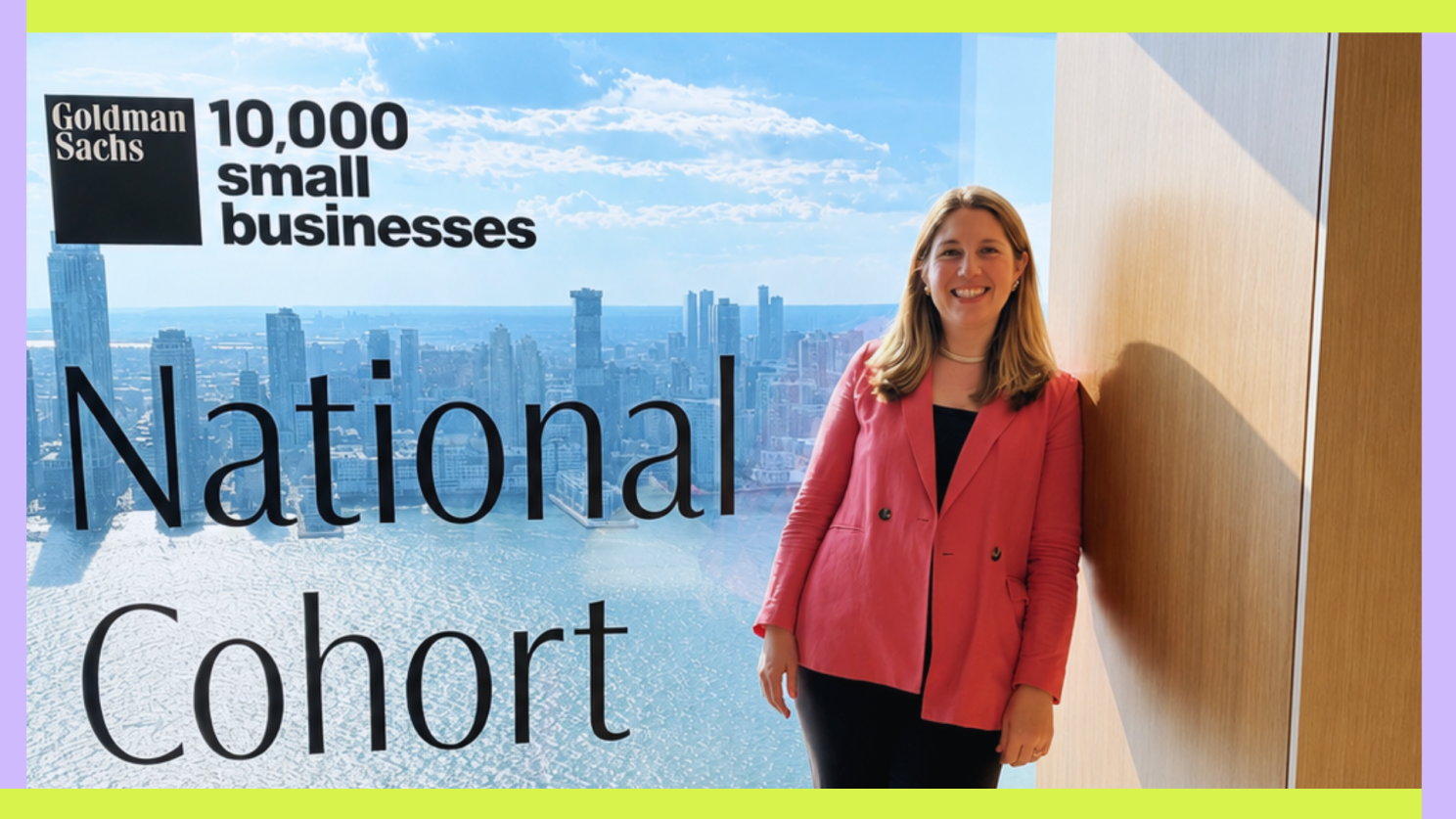
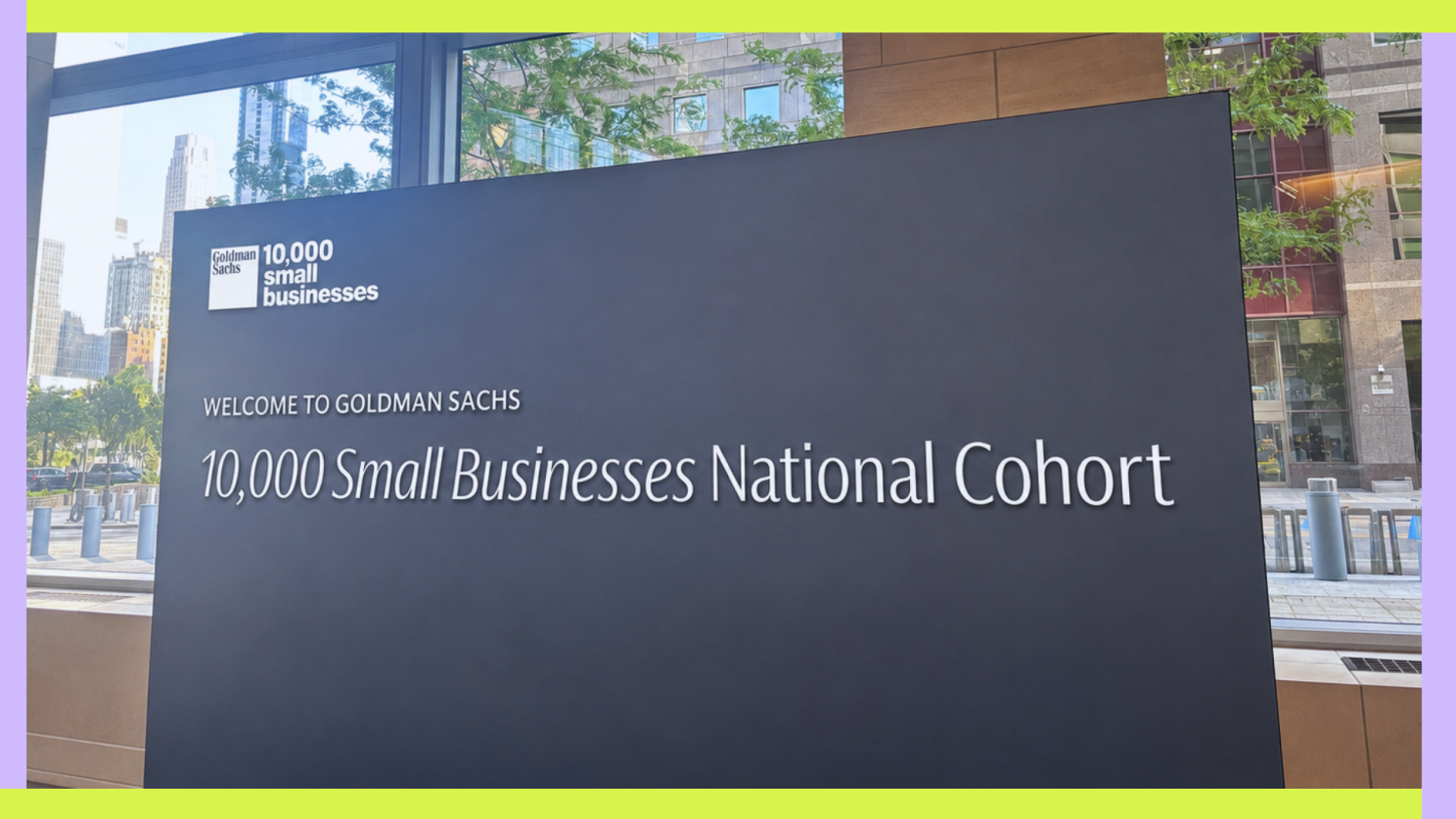
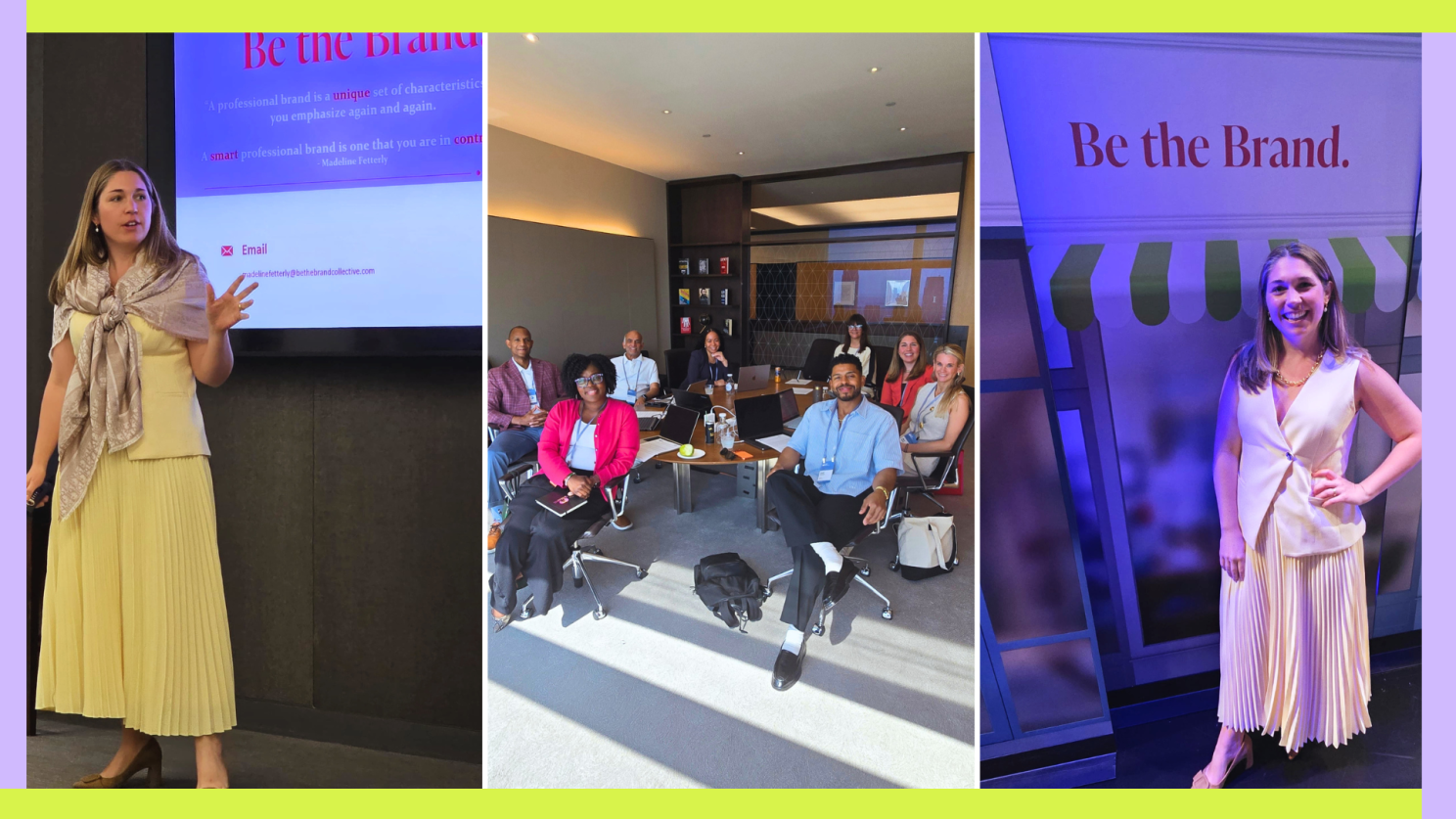
I recently participated in the Goldman Sachs 10,000 Small Businesses Accelerator Program, a 12-week intensive that culminated in a capstone week in New York City. The program was designed to partner with small business owners to help them build strategic growth plans for their companies.
As a professional brand expert, I had a unique vantage point. While other mentors were focused on operations, finance, and scaling infrastructure, I was thinking strategically about how each person in my cohort could leverage their personal brand to accelerate their business growth.
And here's what I noticed: the same question kept coming up again and again, no matter the industry or business model. "How can I stand out in a crowded space?"
These were talented entrepreneurs with solid business plans, real traction, and genuine expertise. But they were struggling with visibility. They were competing against thousands of other small business owners doing similar work, and they knew that without differentiation, they'd blend into the background.
That conversation stuck with me. Because it's the same challenge I see with executives and leaders every single day.
So for the month of June, I'm dedicating this newsletter to that exact topic: how to stand out when everyone around you has similar credentials, similar experience, and similar LinkedIn profiles. I'm sharing lessons learned from my time in the Goldman program and how they apply to your personal brand.
If you've been reading our newsletter this year, you've spent the first half of 2026 building your professional brand with intention. We're so glad to have over 2,000 of you along on this journey with us. But now it's time to address the challenge that comes up again and again: how do you differentiate when everyone looks the same on paper?
Why Differentiation Matters More Than Ever
The professional landscape is more crowded than it's ever been. LinkedIn has over a billion users. Your industry is full of talented, qualified people competing for the same opportunities, the same clients, the same attention. If you're not actively differentiating yourself, you're blending in, and blending in means you risk being overlooked.
Differentiation isn't about being better than everyone else. It's about being different in a way that matters to the people you're trying to reach. It's about owning something specific so that when someone needs what you offer, they think of you first.
Here's what happens when you don't differentiate: you fade into the background. People see your title and assume they know what you do. They scroll past your profile because it looks like everyone else's. They hire someone else because that person had a clearer point of view or a more memorable presence.
But when you differentiate well, everything changes. You become the obvious choice for certain opportunities. People seek you out because they know what you stand for and what you're uniquely good at. You stop competing on credentials alone and start competing on perspective, expertise, and presence.
Finding Your Unique Angle
The first step to standing out is identifying what makes you different. This isn't about inventing something from scratch or pretending to be someone you're not. It's about recognizing what's already true about you that sets you apart from others in your space.
Here's how to find your unique angle:
Look at the intersection of your experience. What combination of experiences do you have that others don't? Maybe you started in finance and moved into healthcare. Maybe you've worked in both startups and Fortune 500 companies. Maybe you've led teams across three different industries. The intersections are where your unique perspective lives.
Identify what you believe that others don't. What's your unique take on your industry? What do you see that others are missing? Your point of view is one of the most powerful differentiators you have because no one else can replicate how you think.
Ask what problems you solve differently. You might solve the same problems as your peers, but how do you approach them differently? What do you prioritize that others overlook? The "how" can be just as differentiating as the "what."
Think about who you're uniquely positioned to help. Maybe you're not trying to help everyone in your industry. Maybe you're focused on a specific subset: early-stage founders, women in leadership, companies navigating regulatory change. Narrowing your audience can actually broaden your impact because you become known as the go-to person for that specific group.
Consider what you're known for among people who know you. Ask colleagues, clients, or mentors what they think you're exceptionally good at. Often, the things that differentiate us are so natural that we don't even recognize them as unique. Other people can see what we can't.
Your unique angle is already there. You just have to name it, own it, and build your presence around it.
How to Differentiate When Everyone Has Similar Credentials
Let's be honest: credentials matter, but they don't differentiate. Everyone in your peer group has good credentials. The MBA, the years of experience, the blue-chip companies on your resume, they get you in the door, but they don't make you memorable.
Here's how to differentiate when credentials alone won't cut it:
Lead with your perspective, not your resume. Your resume tells people what you've done. Your perspective tells them how you think. When you share insights, frameworks, or takes on your industry, you give people a reason to pay attention that goes beyond your job title.
Show your work, not just your results. Everyone shares their wins. Fewer people share the process behind those wins. When you show how you got from point A to point B, what challenges you faced, what decisions you made, and what you learned along the way, you differentiate through depth and transparency.
Build a signature style. This could be how you communicate, what topics you consistently talk about, or even how your content looks and feels. Some leaders are known for their storytelling. Some are known for their data-driven insights. Some are known for asking provocative questions. Your style becomes part of your brand.
Building Authority Through Niche Expertise
One of the fastest ways to stand out in a crowded space is to own a niche. When you go deep on a specific topic, you become the person people think of when that topic comes up. You're not competing with everyone in your field anymore, you're competing with a much smaller group of people who specialize in what you specialize in.
Here's how to build authority through niche expertise:
Pick a lane and go deep. You can't be known for everything. Pick one area where you have expertise and go deeper than anyone else. Write about it, speak about it, share frameworks, case studies, and lessons learned, and over time, you'll become associated with that topic.
Create original content around your niche. Don't just share other people's articles. Create your own, write LinkedIn posts, articles, or thought leadership pieces that reflect your expertise and your perspective. Original content establishes you as a source, not just a curator.
Engage with others in your niche. Comment on posts from other experts in your area. Share their work and build relationships with people who care about the same topics you do. This positions you as part of the conversation and helps you reach the right audience.
Speak at events or on panels about your niche. Speaking opportunities position you as an authority. If you're speaking at conferences or on panels about your area of expertise, you're signaling to your network and your industry that you're a credible voice on that topic.
The narrower your focus, the faster you build authority. Don't be afraid to niche down.
Creating a Memorable Personal Brand
Differentiation isn't just about what you say, it's about how people remember you. A memorable brand cuts through the noise because it's clear, consistent, and distinct.
Here's how to create a brand that people remember:
Have a clear message. What do you want to be known for? What's the one thing people should remember about you after they look at your profile or read your content? If you can't answer this in one sentence, your brand isn't clear enough.
Be consistent across everything. Your LinkedIn profile, your content, your conversations, they should all reinforce the same message. Consistency builds recognition and when people see you show up the same way over time, they start to know what you stand for.
Use visuals strategically. Your profile photo, your banner, even how your posts look, all of this contributes to your brand. You don't need to hire a designer, but you do need to be intentional about the visual impression you're creating.
Tell stories that illustrate your expertise. Stories are more memorable than facts. When you share examples from your work, lessons learned, or challenges you've navigated, people remember the story and associate it with you.
Show up where your audience is. If your audience reads certain publications, try to get featured there. If they attend certain conferences, speak there. If they follow certain LinkedIn creators, engage with their content. Visibility in the right places makes you memorable to the right people.
Be human. The brands that cut through the noise are the ones that feel real. Share your perspective and admit when you've made mistakes. Show the person behind the title, people remember authenticity because it's more rare.
The Bottom Line
Standing out in a crowded space isn't about being louder or flashier than everyone else. It's about being clearer, more specific, and more intentional about what you want to be known for.
This is the time to get clear about what differentiates you. Find your unique angle and own your niche. Build a brand that people remember because when you stand out, opportunities don't just come to you, they come to you first.
— Madeline Fetterly
Founder & CEO, Be the Brand